



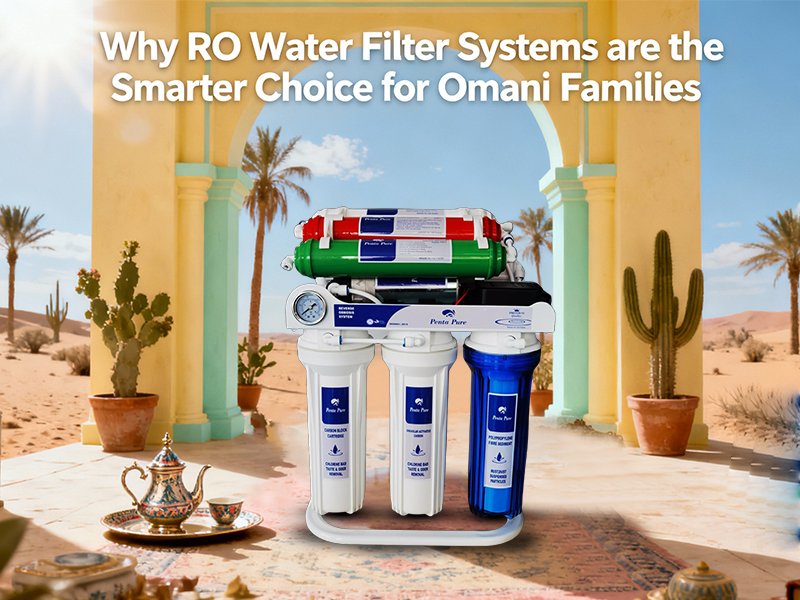
In the Sultanate of Oman, where the summer sun regularly pushes temperatures above 50°C, hydration is not just a health choice—it is a matter of survival. For decades, the default solution for families in Muscat, Salalah, and Sohar has been the ubiquitous 5-gallon plastic bottle. However, as we move through 2025, a significant shift is occurring. Omani households are beginning to realize that the “convenience” of bottled water carries a heavy, hidden tax on their finances, their health, and the environment.
Access to high-purity water should not come with a recurring logistical and financial burden. This guide provides a deep-dive analysis into why a professional Home Reverse Osmosis (RO) system is the most strategic investment you can make for your household this year.
I. The Financial Reality: Analyzing the “Bottled Water Tax”
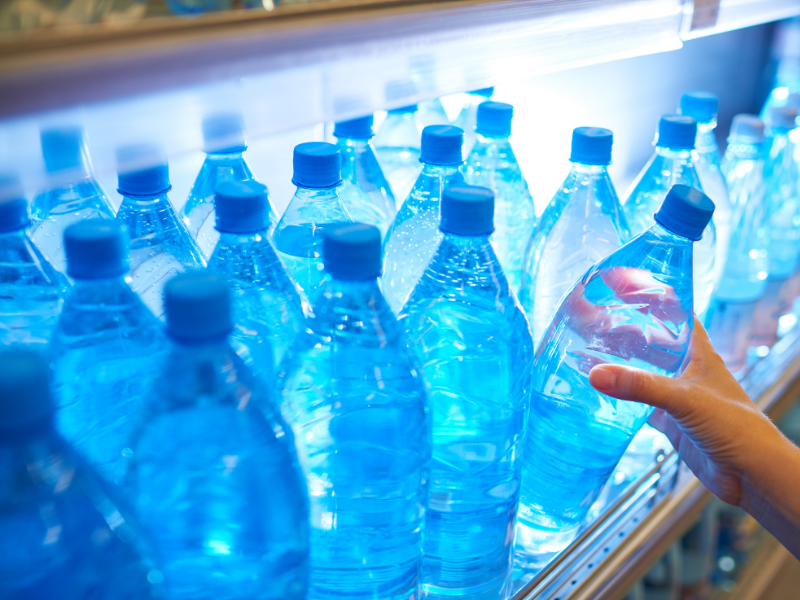
When you buy a bottle of water in Oman, you aren’t paying for the water—you are paying for the plastic, the diesel used in transport, and the marketing markup. In fact, bottled water is often marked up by over 2,000% compared to the cost of municipal tap water.
The Annual Expenditure of an Omani Family
For a typical Omani household of five to seven members, the consumption of drinking and cooking water is substantial.
- Bottled Water Costs: At a conservative estimate of three 5-gallon bottles per week (at roughly 1.000 OMR to 1.200 OMR each), plus smaller PET packs for travel, a family easily spends between 180 OMR and 260 OMR annually.
- The RO System Alternative: A premium, multi-stage residential RO system represents a one-time investment ranging from 60 OMR to 95 OMR, including professional installation.
- The Maintenance Factor: Ongoing costs involve filter replacements every six months, which typically average only 20–30 OMR per year.
II. Choosing the Heart of Your System: RO Membrane Comparison
The RO membrane is the most critical component of your filtration system. In Oman, you will encounter several global and local brands. Below is a professional comparison of the top-performing membranes found in the Sultanate:
| Membrane Brand | Origin | Avg. Salt Rejection | Ideal TDS Range (PPM) | Best Known For |
| FilmTec (DuPont) | USA | 99.7% | 500 – 2,000+ | Global gold standard; highest longevity and purity. |
| Hydranautics | USA | 99.2% | 500 – 1,500 | High energy efficiency; excels in low-pressure settings. |
| Tasnee | Oman | 99.0% | 500 – 2,000 | Locally manufactured; optimized for GCC water conditions. |
| Vontron | China | 96% – 98% | 200 – 800 | Budget-friendly; reliable for standard municipal water. |
| CSM | Korea | 98.5% | 400 – 1200 | Balanced performance; popular in mid-range systems. |
III. The Health Science: Heat, BPA, and the “Leaching” Problem
Oman’s extreme climate introduces a specific health risk. Most bottled water is packaged in PET plastic. While safe at room temperature, PET becomes unstable when exposed to the high heat common in Omani delivery trucks and storage.
The BPA and Microplastic Risk
Research shows that when plastic bottles are subjected to temperatures above 40C, chemical bonds weaken. This leads to the leaching of Bisphenol A (BPA) and phthalates into the water. BPA is an endocrine disruptor that can mimic estrogen in the body, potentially leading to hormonal imbalances.
IV. The Environmental Mandate: Oman Vision 2040
Under Oman Vision 2040, the Sultanate has placed environmental sustainability at the forefront of national policy, including a phased ban on single-use plastics.
Residential RO systems provide “Point-of-Use” (POU) filtration. Your water is filtered seconds before it hits your glass, having never sat in a hot plastic container. This eliminates the risk of consuming microplastics and chemical residues.
Plastic Waste Reduction
A single household using a home RO system prevents over 800 large plastic bottles from entering Omani landfills and oceans every year. Plastic takes over 450 years to decompose; by switching to a home filter, you are actively participating in the preservation of Oman’s beautiful coastlines and wadis.
Reducing the Carbon Footprint
The logistical chain of bottled water—from the energy used in bottling plants to the diesel burned by delivery trucks is massive. On-site filtration reduces this footprint by over 90%, aligning your home with the national goal of Net-Zero emissions.
V. Convenience: Life Without the “Bottle Graveyard”
- Physical Strain: No more lifting 19kg bottles onto dispensers, a task that often leads to back strain and spills.
- Reliability: You never have to worry about delivery trucks being late or grocery stores being out of stock during holidays or Shamal storms.
- Unlimited Supply: Whether you are boiling pasta, washing vegetables, or filling your aquarium, you have an unlimited supply of pure water at your fingertips.
Conclusion:
The evidence is overwhelming. Depending on bottled water in Oman is an outdated, expensive, and environmentally damaging habit. By switching to a professional filtration solution, you are choosing to save thousands of Rials, protect your family from chemical leaching, and support the sustainability goals of Oman Vision 2040.
Are you ready to stop paying the “Water Tax”? Water Life Technologies specializes in high-performance residential and industrial water purification systems across the Sultanate. Contact Water Life Technologies today for a professional water quality audit and find the perfect RO solution to keep your family healthy all year round.